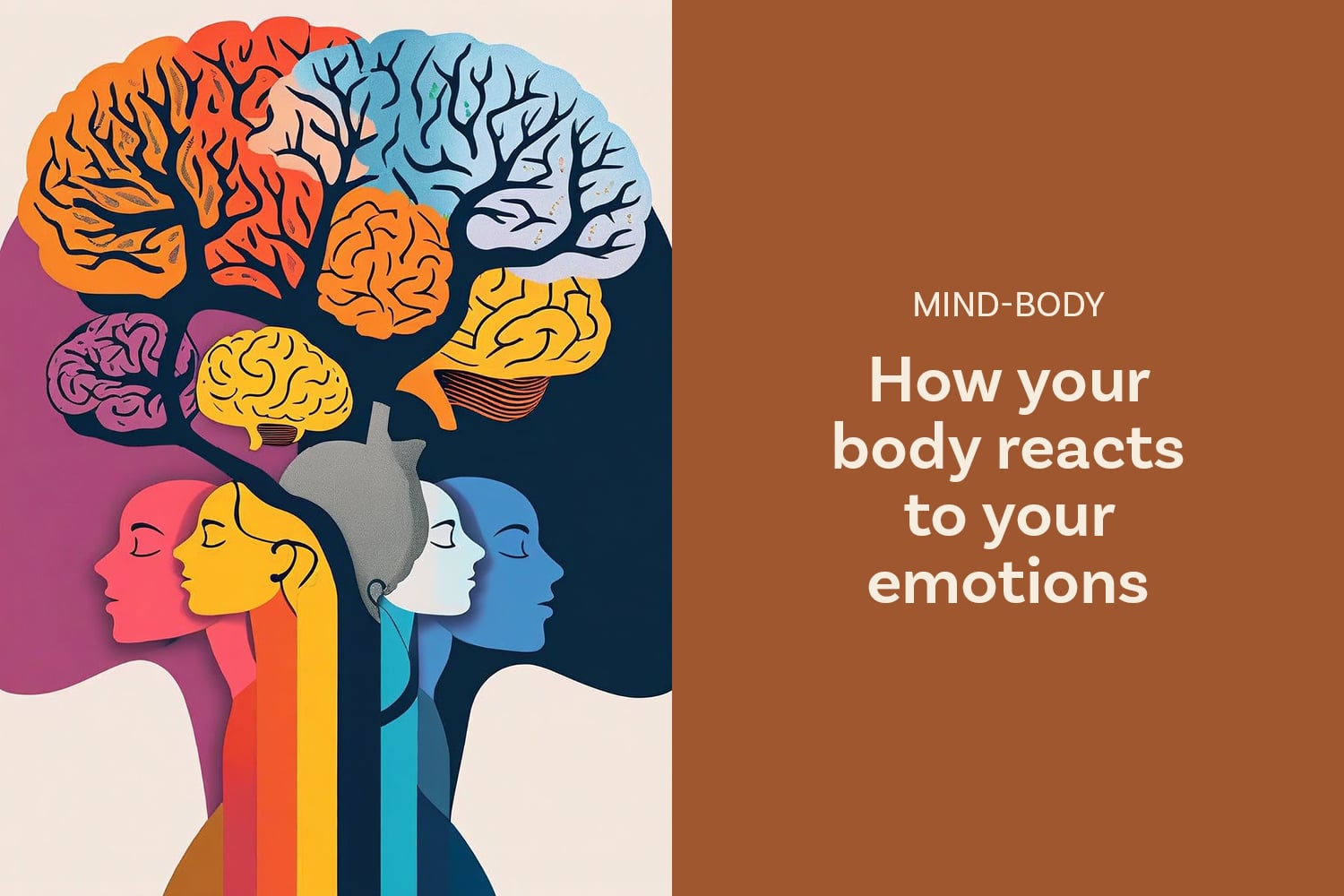
Emotions often register in the body before they become clear in the mind.
You might notice a shift in muscle tone, a change in posture, or a subtle tightening in the jaw or chest. These sensations are part of how the body processes experience, often appearing before you’ve had time to name what you’re feeling.
Chiropractic care sits alongside this idea by supporting comfortable, natural movement. When the body moves with more ease, it can be simpler for physical tension linked to emotion to ease.
Emotions often appear first as sensations.
Muscles tighten, breathing changes, and posture shifts in ways that reflect what you’re feeling. Worry may lift the shoulders slightly. Frustration can bring tension to the jaw. Sadness often changes the way the chest expands.
These responses aren’t deliberate. They happen automatically as part of the way humans experience the world. But when people begin to notice how emotion shows up physically, they often gain a clearer sense of what they’re experiencing.
Some parts of the body tend to hold tension more readily than others. The shoulders often tighten when responsibility feels heavy or when the day demands constant attention. The jaw may clench during moments of frustration or intense concentration.
The neck is another common place for tension to settle. Long periods of focus, uncertainty, or pressure can lead to subtle stiffness that gradually builds through the day.
These patterns usually develop slowly. They’re not dramatic, and they don’t necessarily signal something wrong. Often, they simply reflect how the body manages internal pressure over time.
Breath as a Bridge Between Body and Mind
Breathing responds quickly to emotion. It may become shallow when tension rises, slower when the mind settles, or uneven during moments of overwhelm.
Because breathing happens both automatically and voluntarily, it sits in an unusual position between body and mind. A few deeper breaths can change the way the chest and diaphragm move, allowing the torso to expand more comfortably.
As breathing becomes steadier, areas that were holding tension sometimes begin to soften. The face and shoulders, for instance, often ease without effort. These changes often happen gradually, simply through the rhythm of breath.
Chiropractic care can support emotional balance by improving physical comfort. When joints move more comfortably, muscles often don’t need to work as hard to support the area.
Assessments often reveal areas where motion is restricted or where muscles have been working harder than necessary. Gentle adjustments provide specific physical input that supports more natural joint movement.
Emotions often shift more easily when there is space to notice them. Slowing down for a moment can reveal small physical cues such as tightened shoulders, shallow breathing, or tension in the jaw.
Simple pauses can help the body ease. Sitting quietly for a moment, feeling your feet on the ground, or allowing the breath to settle naturally may be enough to change the physical tone of the moment.
When the body has space to settle, emotions often move through more freely, and everyday life can feel a little lighter again.