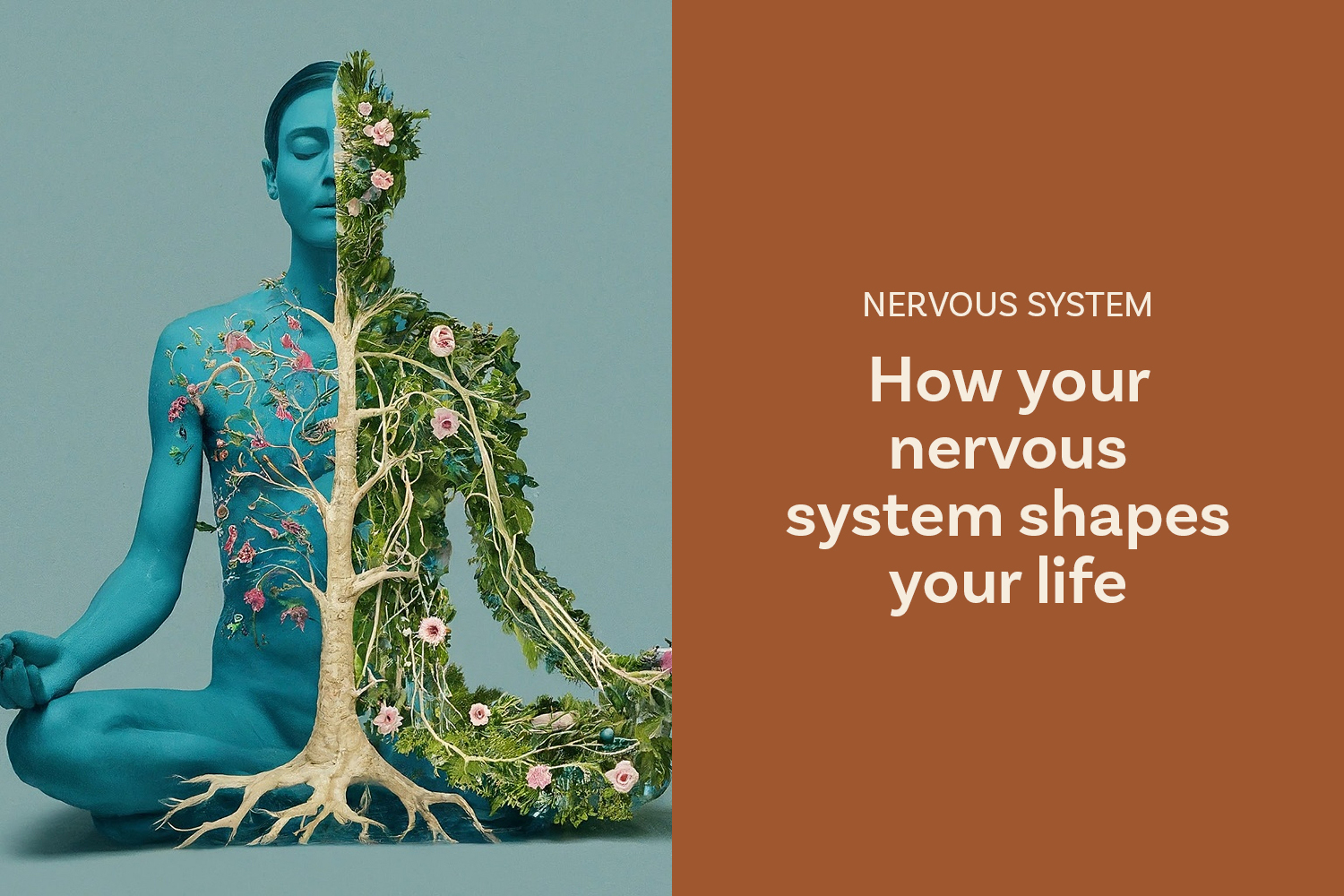
Most of us only really consider our nervous system when something feels uncomfortable. Nevertheless, running quietly in the background, it coordinates the countless processes that shape how we move, see the world, and connect to our body.
In chiropractic, attention is placed on how the spine moves and how that movement supports communication between the brain and the rest of the body.
Our health can then become less about isolated symptoms and more about how well the body communicates with itself.
Even as you read this, your body is constantly taking in information. Signals from muscles, joints, skin, and internal organs are travelling to your brain, which in turn is sending instructions back through the spinal cord.
If you shift in your seat, tiny muscles fire to keep you steady. If you glance to the side, your eyes, neck, and posture coordinate almost instantly.
These automatic corrections happen alongside everything else going on within you, like breathing, circulation, and digestion. All working without conscious thought…
Your nervous system is a key player in this process. It organises subtle details of everyday life: the micro-adjustments your body makes while typing, walking you safely across uneven surfaces, or lifting a cup.
This constant flow of information keeps the body feeling grounded, balanced, and able to move with whatever the moment requires.
Proprioception is a key part of this coordination.
This is the sense that tells you where your body is in space, how your joints are positioned, and how muscles are tensioned. Without it, even simple actions like stepping off a curb or reaching for a glass would feel uncertain.
When spinal and muscular communication is clear, movement feels smooth, steady, and effortless. Awareness of position and movement is natural rather than forced.
Your body responds fluidly to environmental changes, whether that’s catching your balance on a moving train or adjusting posture after leaning forward for a long stretch of work.
Most people rarely notice this coordination. It’s simply experienced as ease: the subtle comfort of moving through life without having to think about every adjustment.
Daily life can subtly reduce this clarity.
Long periods of sitting, repetitive tasks, or emotional tension, for instance, can push muscles and joints into less supportive patterns. Your body then adapts, often without conscious thought, but these adaptations can show up as stiffness, reduced mobility, or effortful movement, often in the spine.
The spinal cord, sitting deep within the spine, relies on the free movement of each vertebra to maintain clear communication pathways. Even minor restrictions in these joints can blur the feedback reaching your brain.
You might notice this as a subtle loss of rhythm, like a shoulder that tires before the task is done, or a spine that feels “tight” and resistant during a simple twist or reach. This quiet resistance forces your muscles to work harder just to maintain your usual coordination.
Chiropractors pay close attention to the relationship between spinal movement and overall function. While it doesn’t replace the body’s innate processes, it creates conditions that let the nervous system operate with greater clarity.
During an assessment, we identify any areas of restricted motion or subtle tension, often before they cause noticeable discomfort. Gentle adjustments aim to restore smoother motion to these joints.
When spinal motion improves, the nervous system receives clearer signals, and muscles can organise themselves more efficiently. Movements that once felt effortful feel lighter, posture is steadier, and coordination becomes more natural.
Paying attention to the nervous system changes how you relate to health.
Rather than reacting only to symptoms, you begin noticing the small cues your body provides: tight shoulders, a stiff neck, a heavy chest. But these signals aren’t necessarily problems to fix. Often they’re just indications of the body working harder than usual to meet the demands of life.
Awareness combined with supportive care can encourage small, sustainable adjustments in posture, movement, breathing, and rest. Over time, this approach nurtures a more resilient, adaptable body, one that communicates more clearly with itself and responds to daily life with steadiness and ease.